Why Join a Flying Club?
The Smartest Way
to Keep Flying.
Lower costs. Better aircraft. A community of pilots who understand why you'd rather be in the pattern than anywhere else on earth.
The Math Actually Works
FBO rental rates have climbed steadily for years. A wet-rate Cessna 172 at most airports now runs $160–$200 per hour. That same airplane in a well-run flying club? Often $90–$130 wet — sometimes less. Monthly dues of $75–$150 cover maintenance reserves, insurance, and hangar fees shared across the entire membership. You fly more because you can afford to.
Access to Aircraft You Could Never Afford Alone
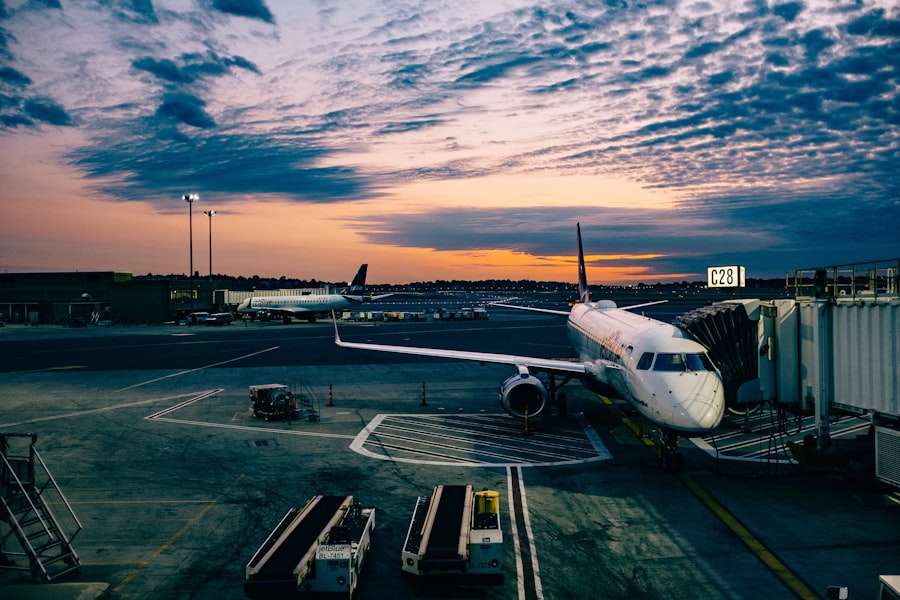
Solo ownership of a well-equipped aircraft is a serious financial commitment — purchase price, annual inspection, insurance, hangar, avionics updates. Flying clubs let you split those costs across a group of pilots with aligned interests. Many clubs operate multiple aircraft — a simple trainer for currency, a complex retractable for cross-countries, sometimes a turbine for the serious traveler. You get access to a fleet, not just a single airplane.

The Community Changes Everything
Flying can be a solitary pursuit. You get your ticket, you rent airplanes, you fly alone. Flying clubs break that pattern. The monthly fly-outs, the hangar cookouts, the post-flight debrief over coffee — these aren't perks, they're the whole point. The mentorship that flows naturally between experienced members and newer pilots makes everyone safer and more proficient. Studies consistently show that club members fly more hours annually than solo renters. Active pilots are safer pilots.
You'll Become a Better Pilot
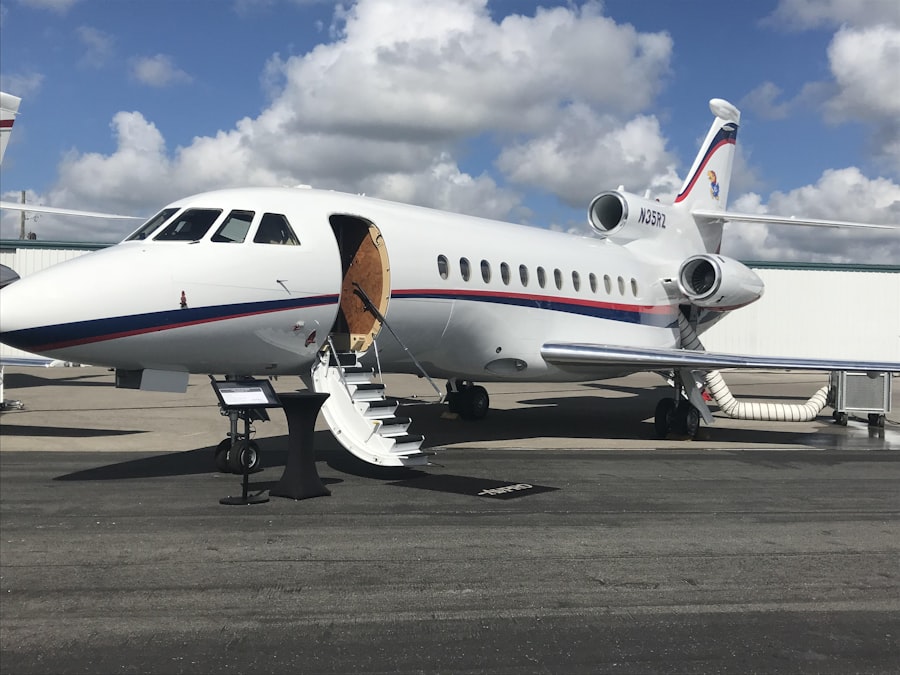
Every flying club worth joining has a culture of continuous improvement. Safety seminars. Instrument proficiency checks. Checkout rides in unfamiliar aircraft. Members who've been flying for 40 years sitting next to members who are 40 hours post-checkride — and both of them learning from each other. The FAA recognized this decades ago when it published AC 00-25, which identified flying clubs as one of the most effective mechanisms for keeping general aviation pilots active, current, and safe.
Know Before You Join
Equity vs. Non-Equity Clubs
Two main models — both are great. Which one is right depends on how long you plan to stay and how much you want to invest upfront.
Equity Club
You own a share of the aircraft
- ✓Buy-in: $3,000 – $15,000+ (your ownership share)
- ✓Monthly dues: $75 – $200
- ✓Hourly rate: at or near true operating cost
- ✓When you leave: your share is refunded or sold
- ✓Best for: pilots who fly regularly and want a financial stake
Non-Equity Club
You pay for access, not ownership
- ✓Initiation fee: $200 – $1,000 (non-refundable)
- ✓Monthly dues: $50 – $150
- ✓Hourly rate: slightly higher than equity clubs
- ✓When you leave: no refund, no complications
- ✓Best for: newer pilots, those testing the waters, or relocating frequently
Numbers vary significantly by region and aircraft type. Ask any club you visit for their current rate sheet.
From the Ramp
What Club Members Say
I'd been renting from the FBO for three years and flying maybe 20 hours a year because of the cost. Joined a club and flew 80 hours in my first year. The rates, the community, the access to a better airplane — everything changed.
David K.
Private Pilot, 340 hours
Columbus, OH
Our club has members ranging from a student pilot to a retired airline captain. The informal mentorship that happens naturally — on the ramp, at our monthly meetings, on fly-outs — is worth more than any formal training I've done.
Patricia M.
Instrument Rated, Club President
Bozeman, MT
I was about to give up flying. Couldn't justify the FBO rates on my schedule. A friend dragged me to a club meeting. That was four years ago. I've now completed my instrument rating, taken three fly-outs to places I'd never have gone alone, and I can't imagine flying any other way.
Marcus T.
Instrument Pilot, 510 hours
Richmond, VA
"Flying is always wonderful. But it's even better when you have a community around it."
Common Questions
Before You Join
How do I find the right club for me?
Use our club finder to search by location, aircraft type, or dues range. Once you have a shortlist, reach out and schedule a discovery visit. Most clubs encourage prospective members to come out, meet the group, and fly with a current member before committing.
What does a typical club membership cost?
Expect an initiation fee of $250–$2,000 depending on whether the club is equity or non-equity, monthly dues of $75–$200, and an hourly wet rate of $80–$160 depending on aircraft type and your local market. Total annual cost for a pilot flying 40 hours is often $4,000–$7,000 — significantly less than FBO rental for the same hours.
Do I need to be fully certificated to join?
Most clubs welcome student pilots. In fact, some clubs actively recruit students because they grow into long-term members. You'll need to complete a club checkout in each aircraft type before flying solo, regardless of your certificate level.
What happens to my money if the club dissolves?
In an equity club, your membership share is a real ownership interest. If the club dissolves, proceeds from aircraft sale are distributed proportionally. Non-equity clubs hold no refundable assets for members, which is one reason initiation fees are lower. Always ask to see the club's bylaws before joining.
How do scheduling conflicts get resolved?
Well-run clubs use online scheduling systems and have clear policies about reservation windows, cancellations, and peak-time limits. Before joining any club, ask how they handle conflicts — it tells you a lot about how the club is managed.
Ready to Find Your Club?
Search by city, state, or airport identifier. Filter by aircraft type and dues range. Your flying community is out there.