The Member Experience
What does club
life actually look like?
Not the pitch. Not the brochure. The real day-to-day experience of being a flying club member — from booking to billing, and everything in between.
Most people know flying clubs are cheaper than owning and often better than renting. What they don't know is what Tuesday morning looks like. Or what happens when someone grinds a wingtip. Or how the club decides it's time to buy a second airplane.
Here's the honest version.
A Typical Saturday
From your couch to cruise altitude
Walk through a typical club flight from start to finish.
7:00 AM
You open the scheduling app
Saturday is wide open. You pull up the club's scheduling platform on your phone and see the Cessna 172 is available from 9 to noon — perfect for a breakfast run to a nearby airport. You book it in thirty seconds. No phone calls, no waiting to hear back. If someone had already claimed that slot, you'd see it immediately and pick another time or another day.
8:45 AM
You arrive at the airport
The airplane is where it always is — in the club's designated tiedown or hangar. You check the squawk sheet clipped to the clipboard in the cockpit. The last pilot noted a slightly sticky carb heat knob. It's been signed off as non-airworthy-affecting, but you make a note to mention it at the next club meeting. You do your preflight the same way you always do.
9:05 AM
You go fly
This is the part that doesn't need much explanation. You fly. The airplane is maintained, insured, and legal. Your checkout is current. The club handled the paperwork so you can handle the flying.
11:50 AM
You bring it back
You note your Hobbs time in the aircraft log and on your phone. The club's app automatically calculates your charges based on the wet rate — fuel is included, so there's no receipt to chase down. If you noticed anything during the flight, you add it to the squawk sheet. You tie the airplane down, lock it up, and head home.
End of month
Your statement arrives
You flew 4.2 hours this month. At the club's wet rate, your flying cost comes to roughly $630 — plus your monthly dues of $85. Total: $715 for 4.2 hours in a well-maintained, IFR-equipped airplane. Compare that to the same airplane at an FBO: $165/hour wet, or $693 just for the flying. The math speaks for itself.
Behind the Scenes
What makes it run
Good club membership feels effortless because someone put in the work to build a solid structure.
Bylaws & Operating Rules
The club's constitution. Covers dues, scheduling, checkout requirements, what happens after an incident, how members join and leave, and how decisions get made. Good bylaws prevent the conflicts that destroy clubs.
Scheduling System
Modern clubs use online platforms — Flight Schedule Pro and ScheduleMaster are the most common. Members book from their phones. The system tracks Hobbs time, flags maintenance windows, and generates billing automatically.
Insurance
The club carries hull and liability coverage. Minimums of $1M per occurrence are standard. Your checkout requirements, currency standards, and minimum experience levels are often driven by what the underwriter requires — which is usually more conservative than the FAA.
Maintenance Program
A designated maintenance officer coordinates with a trusted A&P. The annual inspection is scheduled months in advance. Between annuals, squawks are tracked on a shared log and addressed based on airworthiness impact. The engine reserve accrues every Hobbs hour.
Governance
The club is run by elected officers — typically a President, VP, Secretary, and Treasurer — with a Safety Officer. Big decisions go to the membership. Day-to-day decisions go to the ops manager. Most clubs meet monthly.
Dues & Hourly Rates
Two revenue streams: monthly dues (fixed, covers fixed costs like insurance and hangar) and hourly Hobbs rates (covers fuel, oil, and maintenance reserve). Fly more, pay more for variable costs. Fly less, you still owe dues — that's how fixed costs get shared fairly.
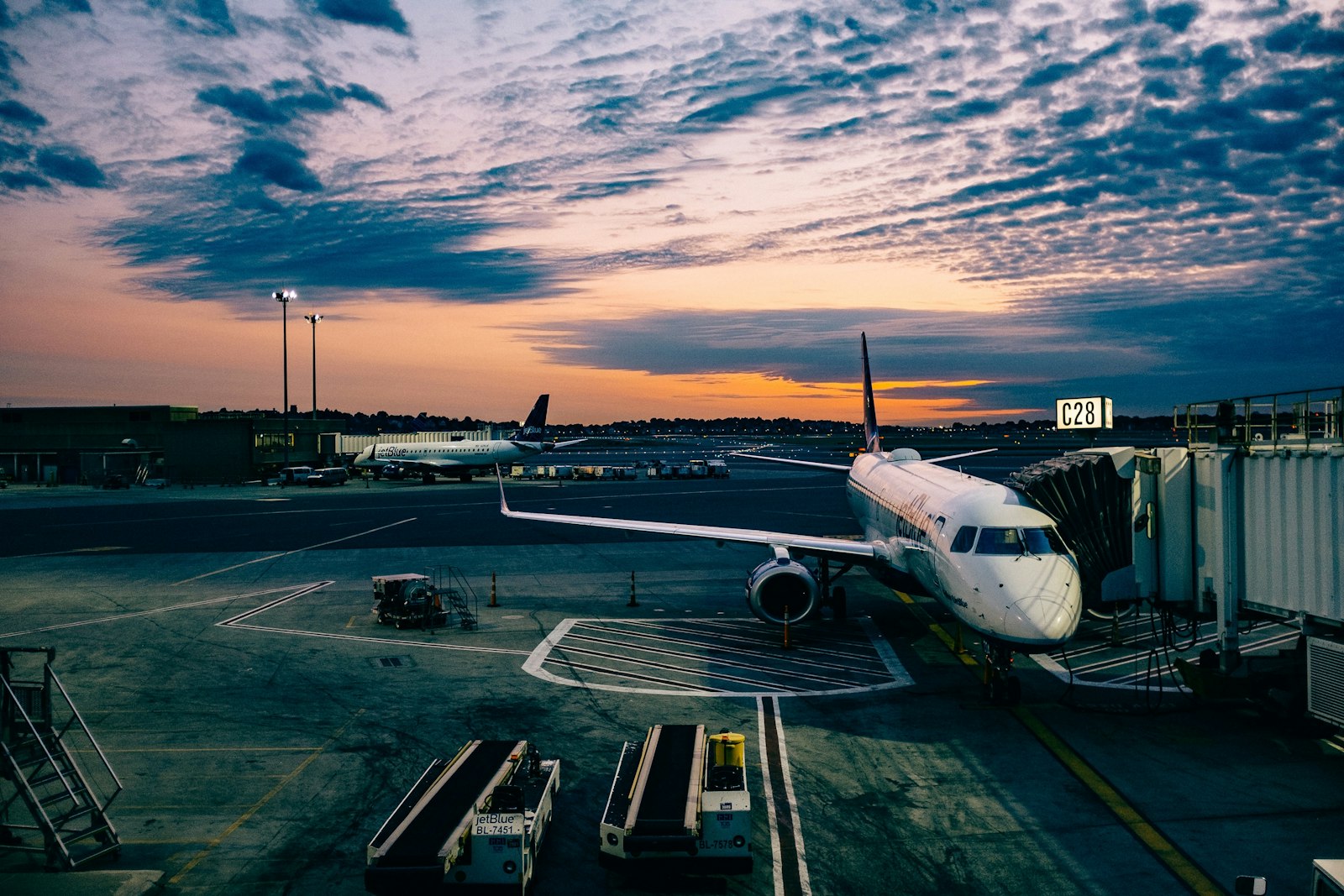
You're not a customer. You're a co-owner.
Real Questions
The stuff people actually ask
What if the airplane is already booked when I want it?
You pick another time, or you wait for a cancellation. Most clubs with healthy scheduling habits find this is rarely a problem — members self-regulate because they know their schedule matters to others. Clubs with more demand than one airplane can handle eventually add a second aircraft.
What happens if I put a scratch on the airplane?
You report it immediately — to the club's safety officer or president, and on the squawk sheet. Every club's bylaws spell out the process: an assessment of damage, an insurance claim if warranted, and a determination of member liability based on the circumstances. Most clubs carry insurance that covers hull damage after a deductible. Accidents happen. The worst thing a member can do is say nothing.
Who handles maintenance decisions?
The club's maintenance officer or a designated committee, depending on how the club is structured. Routine maintenance — oil changes, annual inspections — is scheduled in advance and members see the aircraft blocked out on the scheduler. Major unplanned squawks go to the board for a decision. Members vote on big expenditures like avionics upgrades or engine overhauls.
Can I take the airplane overnight or on a trip?
Depends on your club's rules. Most clubs allow overnight and multi-day trips — it's one of the great advantages of club membership over FBO rentals, which often prohibit or heavily restrict overnight use. You simply book the aircraft for the days you need it and pay the normal rate.
What if a member doesn't pay their dues?
Good bylaws handle this. Most clubs suspend scheduling access after 30–60 days of non-payment and begin the process of removing membership after 90. The key is having it written down before it becomes a personal conflict.
How do I get checked out in the club's aircraft?
Every club has a checkout process. Usually it involves flying with the club's designated CFI or a club-approved instructor for a specified number of hours. Some clubs require specific minimums (total time, hours in type) before you can fly solo in certain aircraft. Insurance requirements often drive these minimums more than the club itself.
What if I stop flying for a few months?
Most clubs have a currency requirement — typically a flight review every 24 months (per FAA rules) and sometimes a club-specific recurrency flight after 60–90 days of inactivity. If you're not current, you fly with an instructor before going solo again. It keeps everyone safe and keeps insurance happy.
Is this different from just renting at an FBO?
Significantly. At an FBO you're a customer. In a club you're a co-owner or stakeholder. You have a say in which aircraft the club buys, how the rules are written, and how the money is spent. You also pay less per hour for a better-maintained airplane, and you fly with people who share your values about safety and airmanship.
Ready to find your club?
Search clubs near your home airport and reach out directly. Most clubs are happy to have you come out for a visit before you commit to anything.